Cookware Embroidery Design Review
As an experienced embroidery designer, I recently tested the Cookware machine embroidery design for use in personalized gift products. This review comes from a practical standpoint—what would it look like on a real customer order? How well does it translate to different fabric types and product uses? And most importantly, does it evoke the right emotional response to make it a desirable personalized gift? Let’s dive into my findings.
First Impressions of Cookware
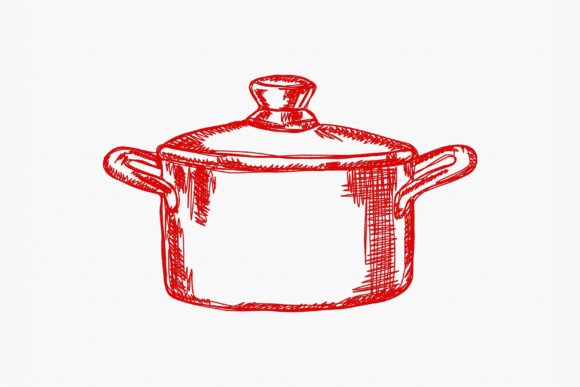
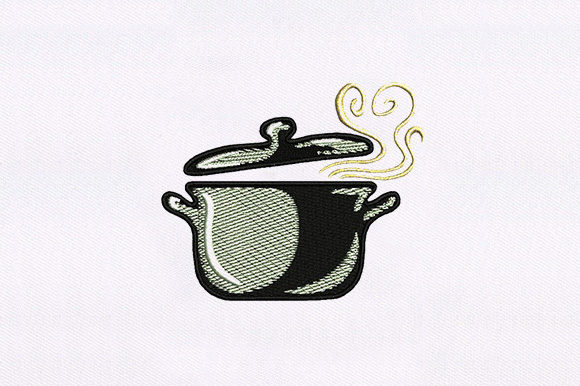
The Cookware design immediately felt warm and inviting. It carries a sense of classic charm with just the right amount of detail to feel elegant but not overwhelming. The imagery suggests home, comfort, and everyday moments around the kitchen table. This makes it particularly appealing for handmade products that are meant to be used and cherished over time.
Emotionally, the design feels sweet and nostalgic, which is perfect for baby items or family keepsakes. It's not overly playful, so it works well for both modern and traditional aesthetics. The level of detail is sufficient to stand out without being too busy, making it suitable for a wide range of applications.
Uses for Cookware in Personalized Gift Products
Cookware is versatile enough to work across multiple product types. Here are some of the most promising applications:
- Baby embroidery: A soft, embroidered towel or blanket with this design could serve as a beautiful first gift for a newborn.
- Wedding gifts: A custom pillow cover or apron with Cookware adds a touch of homeliness to a wedding registry or anniversary present.
- Nursery decor: Incorporating this design into a blanket embroidery or wall hanging creates a cozy atmosphere for a baby’s room.
- Etsy listings: As a digital embroidery file, it can be sold directly or used to create small shop products like custom tote bags or embroidered dish towels.
- Family keepsakes: An embroidered apron or kitchen towel with names or dates can become a meaningful heirloom.
Whether you're an Etsy seller, a small shop product creator, or a handmade product designer, this design has broad appeal and can fit into many niches.
Where to Use Cookware with Caution
While Cookware is adaptable, there are certain situations where extra care is needed:
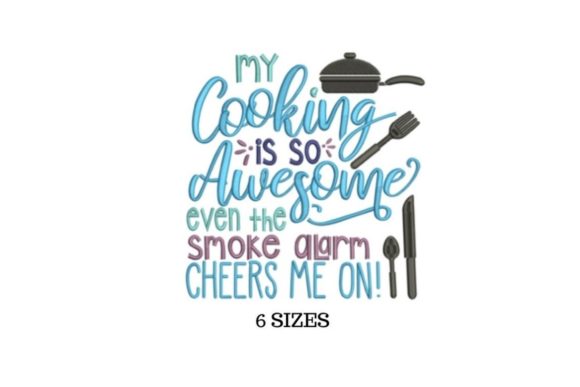
- Small lettering: If the design includes text, ensure it's large enough to remain legible when scaled down.
- Delicate details: The fine lines in the design may require a higher stitch density for clarity.
- Textured fabric: Fabrics with a rough texture might obscure some of the subtler elements of the design.
- Thick towels: Extra stabilizer is recommended when using this design on thicker materials.
- Stretchy baby clothes: Always test the design on stretchy fabrics to ensure it doesn’t distort during washing.
- Curved surfaces: For curved items like mugs or bottles, consider how the design will wrap around the shape.
- Dark fabric: Ensure the thread colors contrast well against dark backgrounds to maintain visibility.
- Frequent washing: Designs used on items that need frequent washing should be tested for durability and colorfastness.
These considerations are crucial for ensuring the finished product looks as intended and maintains its quality over time.
Giftability and Emotional Connection
The Cookware design enhances the perceived value of any personalized gift. Its warmth and elegance give the impression of thoughtfulness, which is essential for building customer trust and encouraging repeat business. When paired with personalization, such as a name or date, it becomes more than just a decorative item—it becomes a memory.
This emotional connection is especially important for handmade product sellers who rely on storytelling and authenticity to engage buyers. A well-executed embroidered towel or pillow cover with this design can significantly increase buyer engagement and satisfaction.
Practical Embroidery Notes
Before using Cookware in your next project, keep these tips in mind:
- Test on scrap fabric: Always do a sample run to see how the design looks and feels before committing to a full batch.
- Check thread color contrast: Choose thread colors that complement the fabric and enhance the design’s visibility.
- Confirm hoop size: Make sure the design fits within your hoop size to avoid distortion.
- Review stitch density: Adjust if necessary to ensure the design remains crisp and clear.
- Use proper stabilizer: Especially on stretchy or thick fabrics, stabilizer helps prevent puckering and ensures clean results.
- Compare light and dark fabric mockups: See how the design appears on different background colors.
- Check small details after stitching: Zoom in to verify that all elements of the design are rendered correctly.
- Confirm commercial licensing: If you plan to sell finished products, ensure you have the right to use the digital embroidery file commercially.
By following these steps, you’ll be able to produce high-quality custom embroidery that meets customer expectations and stands out in the marketplace.
Final Thoughts
In summary, Cookware is a versatile and emotionally resonant machine embroidery design that can elevate a wide range of personalized gift products. Whether you're an Etsy seller, a handmade product creator, or a small shop product owner, this design has the potential to add depth and meaning to your offerings.
With careful planning and attention to detail, Cookware can become a staple in your collection of embroidery files, helping you deliver memorable, high-quality finished products that customers will cherish for years to come.