Cooking Embroidery Design Review
First Impressions of the Cooking Design
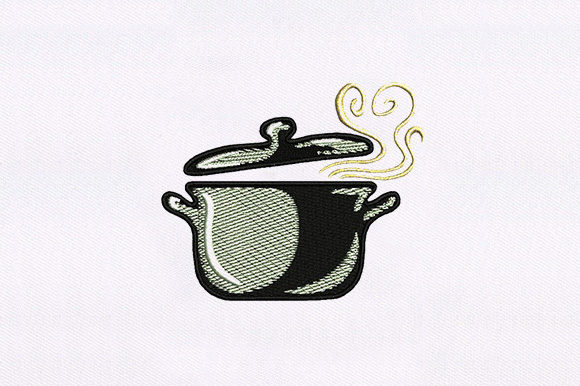
The Cooking embroidery design immediately feels playful yet professional, striking a perfect balance between handmade charm and modern appeal. The title itself suggests a connection to the Kitchen category, and the description reinforces that this is a design ready to bring flair to kitchen accessories. As an experienced embroidery designer, I was drawn to its clean lines and soft curves, which give it a friendly
This design has a subtle premium feel without being overly ornate. It’s not too bold or rustic, making it versatile enough to suit a variety of brand identities—from cozy cafés to boutique handmade shops. Its overall personality leans toward playful elegance, which can be a great asset when used as branded merchandise or patches.
Real Business Use Scenarios
The Cooking design performs exceptionally well in real-world applications. Let’s break down how it could be used effectively across various business contexts:
- Embroidered Patches: This design works beautifully as a patch for staff uniforms, aprons, or even customer gifts. Its simplicity ensures it remains legible and recognizable on both light and dark fabrics.
- Staff Uniforms: When applied to work shirts or aprons, Cooking adds a touch of personality to your team’s appearance, reinforcing your brand identity in a subtle but meaningful way.
- Cap Embroidery: As a cap design, the Cooking motif brings a sense of fun and professionalism. Just be mindful of placement and sizing to ensure it looks balanced and doesn’t overwhelm the cap’s front panel.
- Tote Bag Design: For tote bags or branded product packaging, this design can serve as a visual anchor, helping customers instantly recognize your brand.
- Custom Apparel: Whether you're creating merch for events, Etsy branding, or boutique merchandise, Cooking offers a unique yet cohesive look that complements many styles of custom apparel.
- Product Packaging Accents: A small embroidered detail using this design can elevate the presentation of your handmade products, adding value and visual interest.
- Printable Mockups: The design is well-suited for printable mockups, allowing you to showcase the final product to clients before production begins.
Where to Use with Caution
While Cooking is a versatile design, there are certain scenarios where it should be used carefully:
- Small Patch Sizes: If you plan to use this design on very small patches, consider simplifying the details or reducing the stitch density to maintain clarity.
- Curved Surfaces: On items like mugs or curved fabric surfaces, the design may require adjustments to fit the contour properly.
- Tiny Lettering: If the design includes text, ensure it's large enough to remain readable at smaller sizes.
- High Stitch Density: While the design is well-digitized, avoid using it on items that will experience frequent washing, as high stitch density can cause fraying over time.
- Textured Fabric: Be cautious when applying this design to highly textured fabrics, as it may affect the overall appearance and stitch quality.
- Dark Uniforms: Always test thread color contrast on dark backgrounds to ensure visibility and brand consistency.
Impact on Brand Identity and Customer Perception
The Cooking design plays a significant role in shaping your brand’s visual identity. Its friendly and elegant aesthetic helps build customer trust and recognition, especially in industries such as food service, handmade crafts, or boutique retail. When used consistently across small business merch, this design can enhance professionalism and add perceived value to your products.
By incorporating Cooking into your branding, you create a visual consistency that reinforces your brand message. Whether it's on an apron, tote bag, or cap, the design contributes to a handmade presentation that appeals to buyers who appreciate thoughtful, creative brands.
Practical Embroidery Designer Notes
Before using Cooking in a commercial setting, here are some key considerations:
- Test in Black and White: Always review the design in black and white first to assess contrast and clarity.
- Check Small Patch Size: Ensure the design maintains its integrity at smaller sizes, especially if planning to use it on patches or caps.
- Review Thread Color Contrast: Choose thread colors that complement your brand’s palette and stand out against the fabric background.
- Inspect Spacing: Confirm that spacing between elements is appropriate for the intended fabric and hoop size.
- Confirm Hoop Size: Make sure the design fits within your standard hoop size to avoid unnecessary complications during production.
- Test on Real Fabric: Always conduct a test run on the actual fabric you'll be using to ensure the finished product meets expectations.
- Use Proper Stabilizer: Select the right stabilizer based on fabric type to prevent distortion or puckering.
- Create a Mockup: Provide a printable mockup for client approval to ensure alignment with their vision.
- Compare with Other Assets: Ensure Cooking aligns visually with other design assets to maintain brand consistency.
- Confirm Commercial Licensing: Always verify that the digital embroidery file comes with proper commercial licensing before using it for business purposes.
Overall, the Cooking embroidery design is a valuable addition to any small business’s brand identity toolkit. With careful consideration and proper preparation, it can enhance custom apparel, apron embroidery, tote bag designs, and more—helping your business stand out in a competitive market.